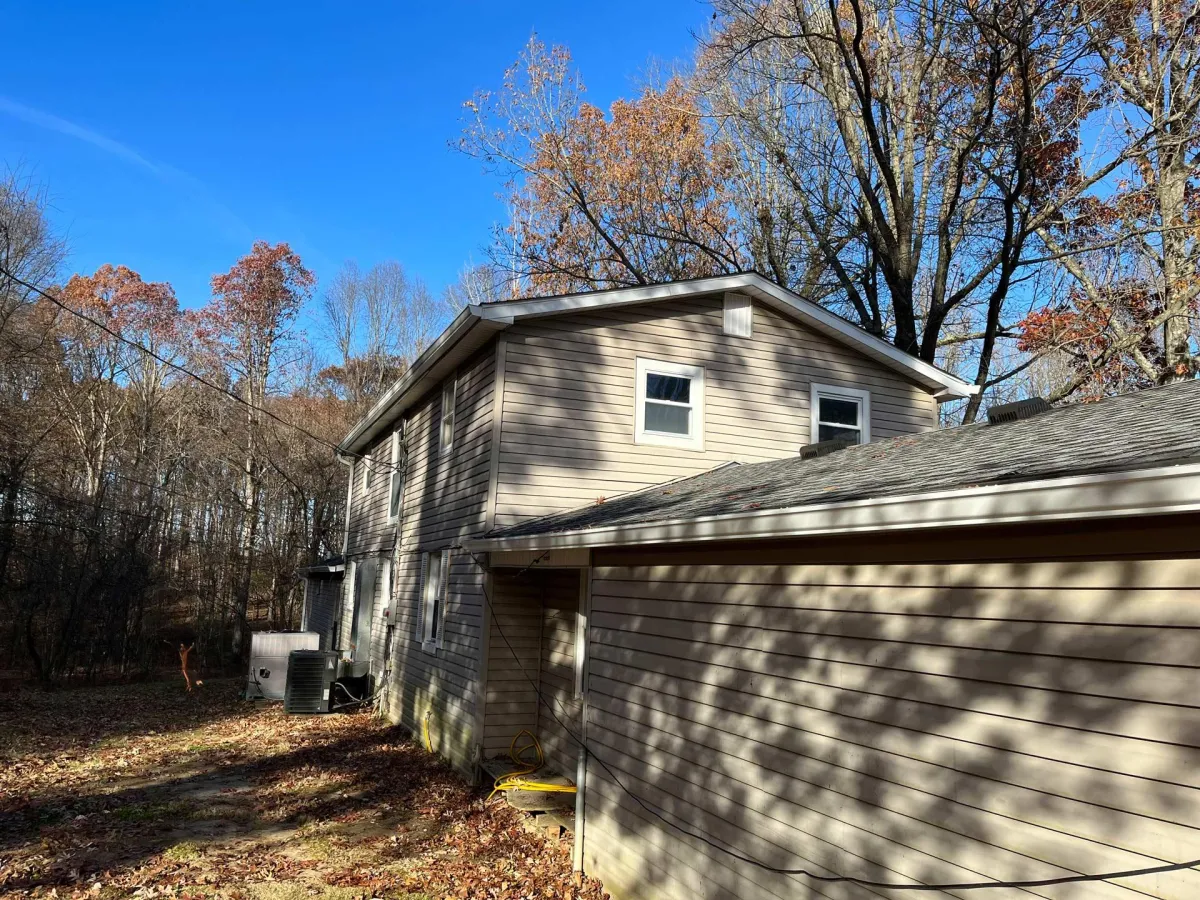
What Impacts the Cost of New Siding Installation?
Introduction
New siding can completely change how a home looks and performs. It improves curb appeal, adds protection against the elements, and can even help with energy efficiency. But once homeowners start planning a siding project, one question usually comes up first: what actually determines the cost?
Siding installation isn’t priced the same for every home. Costs vary depending on materials, labor, and the condition of your existing exterior. For homeowners in West Paducah, Kentucky, where weather exposure and moisture can affect exterior surfaces over time, understanding these factors helps you plan your project more confidently.
What Goes Into the Cost of New Siding Installation?
Siding installation costs are made up of several components, and each one plays a role in the final price.
Type of Siding Material
The material you choose is one of the biggest cost factors.
Vinyl siding is typically more affordable and widely used
Fiber cement siding offers durability but comes at a higher cost
Wood siding provides a natural look but requires more maintenance
Engineered or composite siding balances durability and appearance
Each material has different installation requirements, which also affects labor costs.
Size and Layout of Your Home
The larger your home, the more materials and labor are needed.
However, it’s not just about square footage. Homes with complex designs—such as multiple levels, angles, or architectural features—require more detailed work, increasing installation time and cost.
Condition of Existing Exterior
Before new siding can be installed, the existing surface needs to be evaluated.
If there’s underlying damage, it must be addressed first. This can include:
Rotting wood behind current siding
Moisture damage or mold
Structural issues that need reinforcement
Homes in West Paducah, Kentucky often deal with moisture-related wear, which can add to preparation costs.
Labor and Installation Complexity
Labor costs depend on how involved the installation process is.
Removing old siding takes time and effort
Preparing the surface ensures proper installation
Installing insulation or moisture barriers adds steps
The more detailed the work, the higher the labor cost.
Insulation and Additional Layers
Many siding projects include upgrades beyond just the outer layer.
Adding insulation boards or weather-resistant barriers improves energy efficiency and protection but increases the overall project cost. These additions are often worth considering for long-term benefits.
Trim, Fascia, and Soffit Adjustments
Siding doesn’t exist in isolation. It connects with other exterior components, including trim, fascia, and soffit.
If these areas need repair or replacement during installation, they will add to the total cost. This is common when older materials no longer match or have deteriorated over time.
How Material Choices Affect Long-Term Value
Choosing siding isn’t just about upfront cost—it also affects long-term performance and maintenance.
Lower Initial Cost Options
Materials like vinyl tend to have a lower upfront cost and require minimal maintenance. They’re a practical choice for many homeowners.
Higher Investment Options
Fiber cement and composite siding typically cost more initially but offer greater durability and resistance to weather. This can reduce long-term maintenance and repair costs.
Balancing Cost and Performance
The best option often depends on your priorities. Some homeowners prioritize affordability, while others focus on durability and long-term value—especially in areas like West Paducah, Kentucky, where siding needs to withstand varying weather conditions.
What Can Increase Siding Installation Costs
Certain factors can push the cost higher than expected if they’re not considered early.
Hidden Damage
Damage behind existing siding is one of the most common surprises. Once the old material is removed, issues like rot or moisture exposure may need to be repaired before installation continues.
Custom Features and Design Details
Decorative trims, unique finishes, and custom color matching can increase both material and labor costs.
Difficult Access
Homes with limited access points, steep terrain, or tight working areas require more time and effort to complete the installation safely.
Project Timing
Seasonal demand can also affect pricing. Busy periods may lead to longer timelines or higher labor costs.
How to Plan Your Siding Project
If you’re considering new siding, taking a structured approach can help you manage costs effectively.
Step 1: Assess Your Current Exterior
Look for visible damage, wear, or outdated materials that need replacement.
Step 2: Choose the Right Material
Consider your budget, maintenance preferences, and long-term goals.
Step 3: Account for Additional Work
Think about insulation, trim, and structural repairs that may be needed.
Step 4: Set a Realistic Budget
Plan for both expected costs and potential adjustments once work begins.
Step 5: Focus on Long-Term Value
Choosing durable materials and proper installation can reduce future repair costs.
FAQs About Siding Installation Costs
What is the average cost of new siding installation?
Costs vary depending on materials, home size, and installation complexity. Larger or more detailed projects will typically cost more.
Is vinyl siding the cheapest option?
Vinyl is generally one of the more affordable options, but other materials may offer better long-term durability.
Does siding installation include removing old siding?
In most cases, yes. Removing existing siding is part of the preparation process and affects overall cost.
Can new siding improve energy efficiency?
Yes. Adding insulation or upgrading materials can help regulate indoor temperatures and reduce energy loss.
How long does siding installation take?
The timeline depends on the size of the home and the complexity of the project, but most installations take several days to complete.
Conclusion
The cost of new siding installation depends on more than just the material you choose. It’s influenced by your home’s size, condition, design, and the level of preparation required before installation begins.
For homeowners in West Paducah, Kentucky, understanding these factors helps you plan your project with fewer surprises and better long-term results. Investing in the right materials and proper installation can make a noticeable difference in both appearance and performance.
When siding projects are handled with attention to detail and a clear understanding of how exterior systems work together, the results last longer and perform better. That’s where Gutter Works LLC naturally comes in—helping homeowners approach siding installation in a way that supports both immediate improvements and long-term protection.
