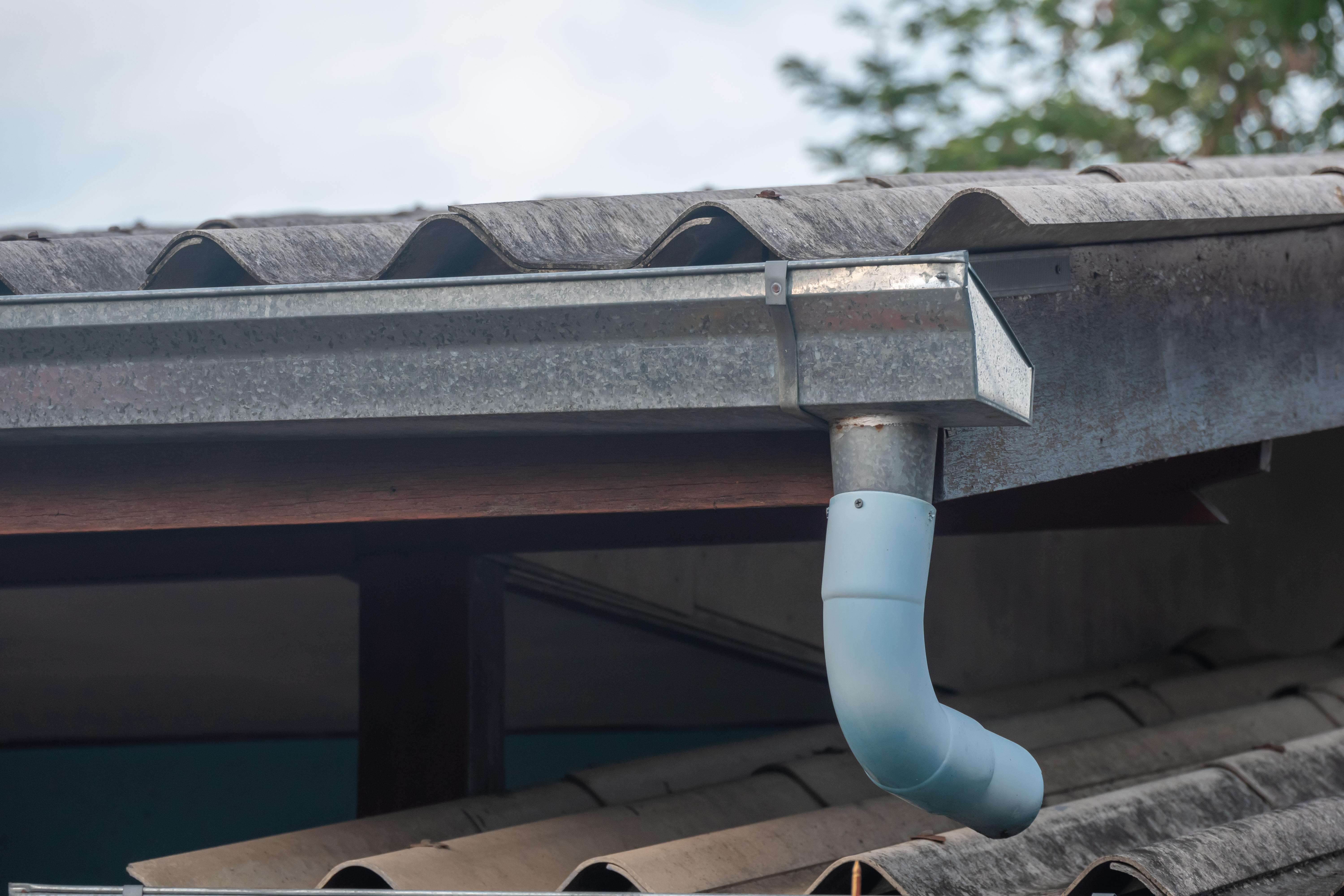
How Often Should I Have My Gutters Cleaned?
Why Gutter Cleaning Timing Matters More Than You Think
Gutter cleaning is one of those home maintenance tasks that feels easy to postpone. When gutters are doing their job quietly, it is tempting to assume everything is fine. The problem is that clogged gutters rarely fail all at once. They gradually collect leaves, roof grit, and debris until water has nowhere to go but over the edge or back toward the house.
For homeowners in West Paducah, Kentucky, knowing how often gutters should be cleaned is essential for preventing water damage, wood rot, and foundation issues. The right cleaning schedule depends on more than just the calendar. Tree coverage, roof design, weather patterns, and gutter type all play a role. This guide explains how often gutters should be cleaned, how to tell when it is time, and how to avoid costly problems caused by neglect.
What Gutter Cleaning Actually Prevents
Gutters are designed to channel rainwater safely away from your home. When they are clogged, that system breaks down in predictable and damaging ways.
Routine gutter cleaning helps prevent:
Water overflowing onto siding and windows
Moisture buildup along fascia and soffit boards
Pooling water near the foundation
Basement leaks or crawl space moisture
Ice dams during colder months
Premature gutter sagging or failure
Cleaning is not just about removing leaves. It is about maintaining proper water flow so the entire drainage system works as intended.
General Gutter Cleaning Guidelines for Most Homes
For the average home, gutter cleaning is needed more often than many homeowners expect.
Standard Recommendation
Most homes should have gutters cleaned at least twice per year. This typically includes:
One cleaning in late spring or early summer
One cleaning in late fall after leaves have dropped
This schedule addresses the two periods when debris buildup is most common. Spring cleaning clears out pollen, seed pods, and storm debris, while fall cleaning removes leaves that can block downspouts before winter.
Why Once a Year Is Often Not Enough
Annual cleaning may sound sufficient, but in many cases it allows debris to sit in the gutter system for too long. Standing debris traps moisture, adds weight, and accelerates corrosion or fastener failure. Even homes without heavy tree coverage often accumulate enough material to justify twice-yearly service.
Factors That Affect How Often Gutters Need Cleaning
There is no one-size-fits-all answer. Several property-specific factors determine whether gutters need more frequent attention.
Tree Coverage Near the Home
Homes surrounded by trees require more frequent cleaning. Pine needles, oak leaves, and seed pods can clog gutters quickly, especially during fall.
If trees overhang the roof or are located close to the house, gutter cleaning may be needed three to four times per year.
Roof Type and Pitch
Steep roofs shed debris faster, but that debris ends up in the gutters. Roofs with multiple valleys also funnel more material into specific gutter sections, increasing the risk of clogs.
Homes with complex rooflines often need more frequent inspections and cleanings.
Local Weather Patterns
West Paducah experiences regular rainfall and seasonal storms, which increase the importance of clear gutters. Heavy rain can quickly reveal blockages, but it can also compact debris, making clogs harder to remove later.
Storms followed by high winds often deposit leaves and branches into gutters even outside peak fall season.
Gutter Size and System Design
Smaller or undersized gutters fill up faster. Homes with limited downspouts are also more prone to backups when debris is present.
Well-designed systems may tolerate some debris, but no gutter system functions properly when neglected.
Signs Your Gutters Need Cleaning Now
Waiting for a scheduled cleaning is not always enough. Certain warning signs indicate immediate attention is needed.
Water Overflow During Rain
If water spills over the sides of the gutters during moderate rain, debris is likely blocking proper flow. This is one of the clearest signs that cleaning is overdue.
Plants or Grass Growing in Gutters
Vegetation growth means debris has been sitting long enough to hold moisture and support roots. At this point, clogs are likely affecting drainage significantly.
Sagging or Pulling Gutters
The weight of wet debris adds strain to gutter hangers. Sagging sections often indicate prolonged buildup that needs to be addressed before structural damage occurs.
Staining on Siding or Foundation
Dark streaks or mildew on siding below gutters usually mean water is overflowing or leaking behind the system.
Pests Around the Roofline
Birds, insects, and rodents are attracted to clogged gutters. Debris provides nesting material and standing water.
Seasonal Gutter Cleaning Timing in Kentucky
Climate plays a major role in determining the best cleaning schedule.
Spring Cleaning
Spring gutter cleaning clears out debris from winter storms and prepares the system for heavy rain. It also helps identify damage caused by temperature changes or ice.
This cleaning is especially important before prolonged rainy periods.
Fall Cleaning
Fall is the most critical time for gutter maintenance. Leaves, twigs, and seed pods accumulate quickly and can block water flow just as winter approaches.
Cleaning after most leaves have fallen but before freezing temperatures is ideal.
Additional Cleanings When Needed
Homes with heavy tree coverage or recent storm activity may require mid-summer or early winter cleanings to prevent clogs from developing.
How Gutter Guards Change the Cleaning Schedule
Gutter guards are designed to reduce debris entry, but they do not eliminate maintenance entirely.
What Gutter Guards Help With
Gutter guards can reduce:
Large leaf accumulation
Frequent manual cleanings
Downspout blockages caused by debris clumps
What They Do Not Prevent
Even with guards, gutters can still collect:
Fine debris and roof grit
Pine needles
Shingle granules
Seeds and pollen
Homes with gutter guards typically need cleaning once per year, along with periodic inspections to ensure water is flowing correctly.
DIY Gutter Cleaning vs Professional Service
Some homeowners choose to clean gutters themselves, while others rely on professional services. Each approach has considerations.
DIY Cleaning Considerations
DIY cleaning may work if:
The home is one story
Gutters are easily accessible
Safety equipment is available
Blockages are light and infrequent
However, ladder accidents and incomplete cleaning are common risks.
Professional Gutter Cleaning Benefits
Professional service offers:
Safer access to high or steep rooflines
Complete debris removal from gutters and downspouts
Identification of early damage or sagging
Proper disposal of debris
Regular professional cleaning often extends the lifespan of the entire gutter system.
What Happens If Gutters Are Not Cleaned Regularly
Skipping gutter cleaning does not just cause temporary inconvenience. Over time, it leads to expensive problems.
Neglected gutters can result in:
Fascia and soffit rot
Foundation settlement or cracks
Basement water intrusion
Mold growth
Premature gutter replacement
The cost of routine cleaning is minimal compared to repairing water damage caused by long-term neglect.
Frequently Asked Questions About Gutter Cleaning Frequency
Is twice a year enough for most homes?
Yes. For many homes, spring and fall cleanings provide adequate protection, provided there is not heavy tree coverage.
Do I need to clean gutters if they look fine from the ground?
Yes. Blockages often occur inside the gutter channel or downspouts and are not visible from below.
Can clogged gutters damage the roof?
Yes. Standing water can back up under shingles and contribute to roof edge rot and leaks.
How long does professional gutter cleaning take?
Most residential cleanings take one to two hours, depending on home size and debris level.
Does regular cleaning reduce the need for replacement?
Yes. Keeping gutters clear reduces stress on fasteners and materials, extending system lifespan.
Conclusion: Setting the Right Gutter Cleaning Schedule for Your Home
Knowing how often to have your gutters cleaned helps protect your home from water damage and avoid unnecessary repairs. While twice-yearly cleaning works for many homeowners, factors like tree coverage, roof design, and local weather may require more frequent service.
A consistent cleaning schedule keeps gutters functioning properly year-round. Gutter Works LLC provides professional gutter cleaning services for homeowners in West Paducah, helping ensure drainage systems stay clear and reliable through every season.
Regular maintenance is one of the simplest ways to protect your home’s structure, appearance, and long-term value.
